Montessori Principles
Our teaching philosophy is guided by seven core principles that ensure every child thrives in a nurturing, empowering environment.
The principles that guide us are:
1. Follow the child
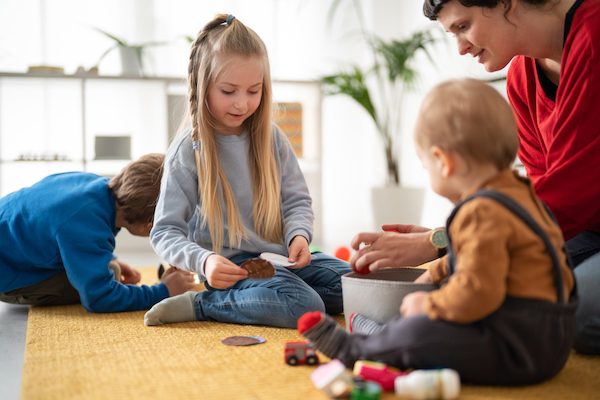
We believe in following the child, allowing each child to take the lead in their own learning journey. Children are naturally drawn to activities that meet their developmental needs. By respecting their interests and preferences, we support their process of self-construction and personal growth.

2. Hands-on learning
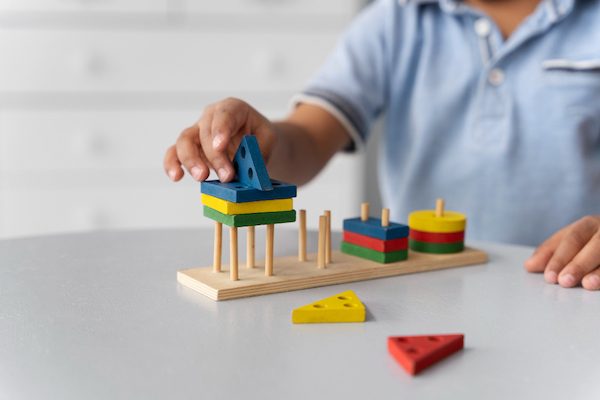
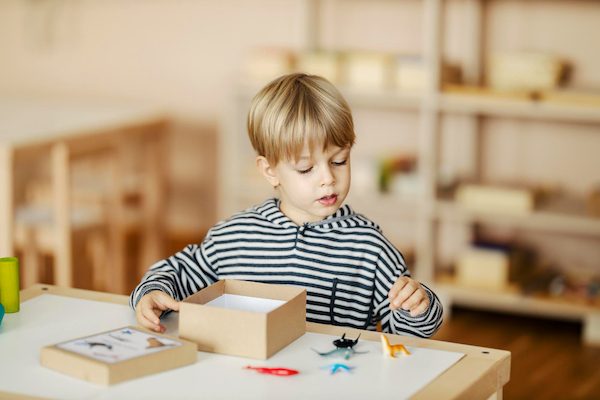
Learning through doing is fundamental at Montessori Minds. Our specially designed Montessori materials encourage children to explore and engage actively with their environment. These materials are self-correcting, promoting learning through trial and error, which fosters problem-solving skills, critical thinking, and a genuine love of learning.
3. Prepared Environment
Our classrooms are carefully organised as a prepared environment — a structured, meaningful space designed to inspire independent learning. Every material and area has a clear purpose, creating an atmosphere of order and harmony. This environment supports active, self-paced, and self-correcting learning tailored to each child’s interests and needs.
4. Play is work
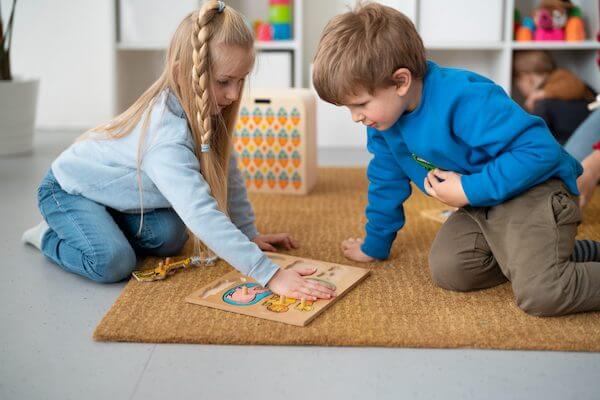
In the Montessori philosophy, play is the work of the child. We blend play with purposeful learning to satisfy children’s natural curiosity while ensuring they have fun. This approach helps children develop joy in learning as they explore their world.
5. Independence
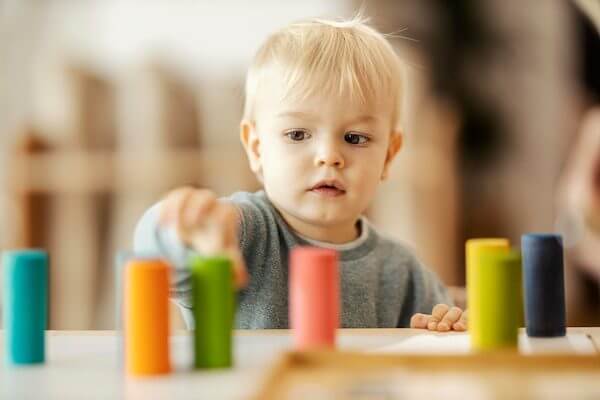
We encourage children to be independent and take ownership of their learning and actions. By providing choices and supporting their natural drive for self-discovery, children develop essential qualities like self-confidence and responsibility that serve them throughout life.
6. Respect
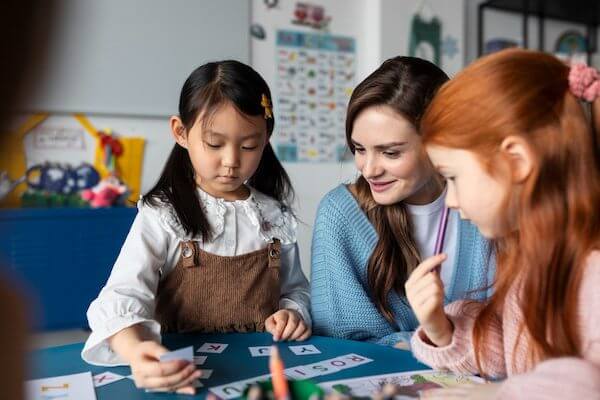
Respect is central to our approach. Teachers honour each child’s need to do things independently while being available to provide support when needed. Teachers observe attentively and unobtrusively, recognising individual needs while promoting autonomy.

7. Observation
Teachers continuously observe each child’s progress to understand their learning style and developmental needs. Children also learn through observing peers, enabling them to reflect, problem-solve, and grow within a rich social learning community.