

Frequently Asked Questions
We will try to answers all of your questions in mind.
Montessori education is an educational model developed in the early 20th century by Italian physician and educator, Dr. Maria Montessori. This model emphasizes the child’s capacity for self-directed learning, their individuality, and natural development.
The Montessori classroom environment is designed to facilitate independence and exploration. Children are given the freedom to choose their work, with teachers gently guiding them toward appropriate activities. The classroom is set up into various ‘stations’ that accommodate practical life, sensorial exploration, language, mathematics, and cultural subjects. Often, children work with specially designed Montessori materials that allow them to learn through hands-on activities and encourage exploration, self-correction, and problem-solving.
Under the Montessori philosophy, the role of a teacher is to observe and guide a child’s progress, inspiring curiosity, and fostering independence. The teacher acts as a facilitator rather than an instructor, helping children to cultivate a joy of learning that will stay with them for life.
Montessori education emphasizes learning at the child’s own pace and on their terms, promoting socialization, creativity, and individuality. Research shows that Montessori children tend to be more academically accomplished, more socially adjusted, and have higher levels of self-esteem.
Montessori education is a methodology that emphasizes a child’s natural development and individuality while fostering fundamental skills necessary to succeed in everyday life, such as creativity, independence, and social skills. By emphasizing independence, exploration, and hands-on learning, Montessori education helps children become lifelong learners and discover their full potential.
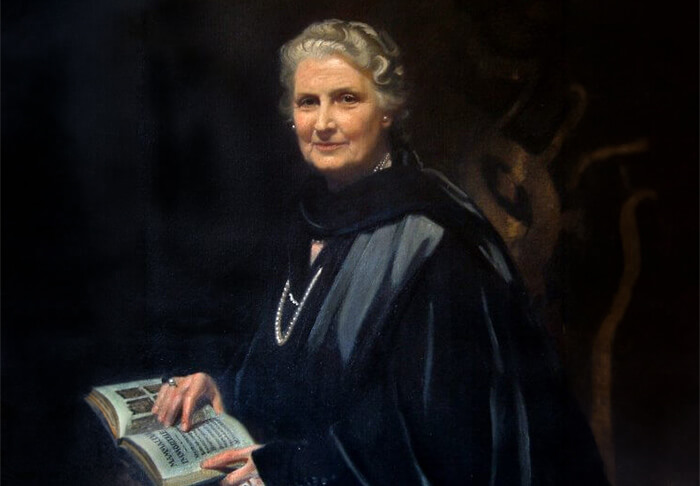
The child has a mind able to absorb knowledge. He has the power to teach himself.