biology

— Montessori Curriculum Area

Biology


Our Biology area introduces children to the living world of plants and animals through hands-on, sensorial materials. Beginning with simple ideas — such as the difference between living and non-living things — children are gently guided towards observing, naming and caring for the natural world around them.

What is the Biology area?

Biology sits within the broader Montessori Culture curriculum, alongside areas such as geography and science. It draws on children's natural curiosity about plants, animals and the natural environment, building on the observation and classification skills first developed through Sensorial work.

In our program, Biology is generally introduced in two related strands — Botany, the study of plants, and Zoology, the study of animals. Materials are hands-on and concrete, and are offered alongside real experiences in the environment, such as nature walks, gardening and the care of classroom plants or, where offered, small animals.

Ask us about this area

At a glance

Curriculum area
Biology (Botany & Zoology)
Part of
Montessori Culture curriculum
Age focus
Typically introduced from around 3 to 6 years
Approach
Hands-on nomenclature materials and real-life experiences with nature
Framework
Delivered alongside the EYLF v2.0
Assessed under
National Quality Standard (NQS)

Why we place such value on it


Dr Maria Montessori considered a connection to the natural world to be an important part of a child's early education. Biology materials are generally designed to give this connection a concrete, hands-on starting point. Broadly, this area of the curriculum is associated with:

  • Building early observation skills, such as noticing differences between living and non-living things
  • Introducing vocabulary for the parts of plants and animals, which can support broader language development
  • Encouraging care and respect for living things, including plants, animals and shared outdoor spaces
  • Supporting an early sense of belonging within, and connection to, the natural environment
  • Offering a gentle, concrete introduction to classification, which may inform later scientific thinking
These points describe general tendencies noted in early childhood development and inform our program design. They are shared as background, not as a guarantee of any individual outcome — every child develops and engages with Biology activities at their own pace.
nurturing-environmental -understanding in young learners

Areas explored within Biology


In our program, Biology activities are broadly organised into the following areas, offered alongside the EYLF v2.0 learning outcomes of identity, connection, wellbeing, confidence and communication.
01 · Foundations

Living & Non-Living
An introductory sorting activity that invites children to begin noticing the difference between living and non-living things.
02 · Botany

Parts of a Plant
Puzzles, cabinets and nomenclature cards that introduce the parts of a plant, leaf and flower, and their basic functions.
03 · Zoology

Parts & Classification of Animals
Cards and models that introduce the parts of common animals and simple groupings, such as animals of the land, air and water.
04 · care

Care of Living Things
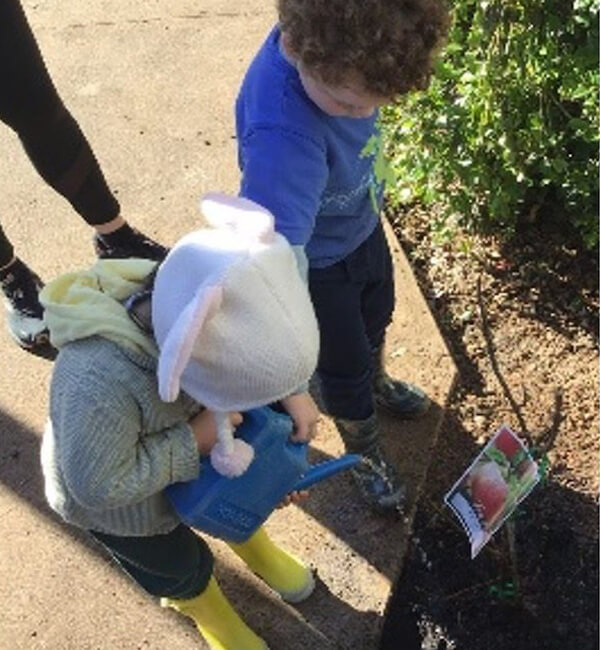
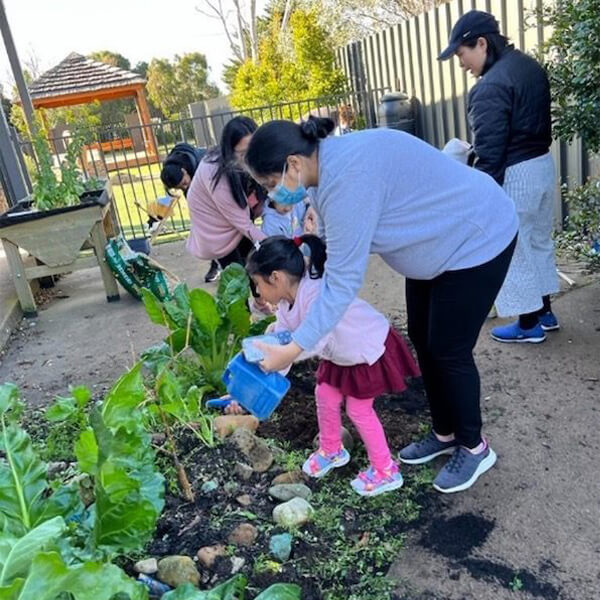
Practical, supervised opportunities to help care for classroom plants and, where offered, our garden and outdoor spaces.
nurturing our environment

Materials children may explore


Within a prepared Biology environment, materials are offered in a logical sequence, from simple to more complex, and are introduced in line with each child's stage of development and interest. Examples may include:

  • Living and non-living sorting activities, using real or model objects
  • Botany cabinet and leaf shape puzzles, for exploring plant and leaf forms
  • Parts of a plant, flower and tree puzzles and nomenclature cards
  • Parts of an animal puzzles and nomenclature cards, such as parts of a bird or fish
  • Land, air and water animal sorting activities
  • Simple life cycle sequencing cards, such as the life cycle of a plant or butterfly
  • Real plant care and, where the room includes a garden, simple gardening tasks

Specific materials offered may vary between rooms and over time, depending on each child's stage of development and interests. Any activity involving plants, animals, tools or outdoor elements is planned and supervised in line with our service's health, safety and hygiene policies, and takes account of individual allergies where relevant.

Part of a quality-assured program


Biology sits alongside our wider Montessori curriculum, which is delivered in line with the Early Years Learning Framework (EYLF v2.0) and assessed against the National Quality Standard (NQS). We aim to meet our obligations under the Education and Care Services National Law and Regulations, including those relating to children's health, safety and wellbeing.

Explore our curriculum
  • Educational program & practice
  • Children's health & safety
  • Physical environment
  • Relationships with children
  • Collaborative partnerships with families
— Good to know —

Frequently asked questions


A few of the questions families often ask us. Get in touch if you have a question that isn't covered here.

All FAQs
Find Out More

See Biology materials in action


Book a tour to visit our Biology shelves and prepared environment, meet our educators and ask any questions about how this area of the curriculum supports your child.